Archives
- 2026-10
- 2026-09
- 2026-08
- 2026-07
- 2026-06
- 2026-05
- 2026-04
- 2026-03
- 2026-02
- 2026-01
- 2025-12
- 2025-11
- 2025-10
- 2025-09
- 2025-03
- 2025-02
- 2025-01
- 2024-12
- 2024-11
- 2024-10
- 2024-09
- 2024-08
- 2024-07
- 2024-06
- 2024-05
- 2024-04
- 2024-03
- 2024-02
- 2024-01
- 2023-12
- 2023-11
- 2023-10
- 2023-09
- 2023-08
- 2023-07
- 2023-06
- 2023-05
- 2023-04
- 2023-03
- 2023-02
- 2023-01
- 2022-12
- 2022-11
- 2022-10
- 2022-09
- 2022-08
- 2022-07
- 2022-06
- 2022-05
- 2022-04
- 2022-03
- 2022-02
- 2022-01
Eicosanoids are locally acting signaling lipids
2024-03-07
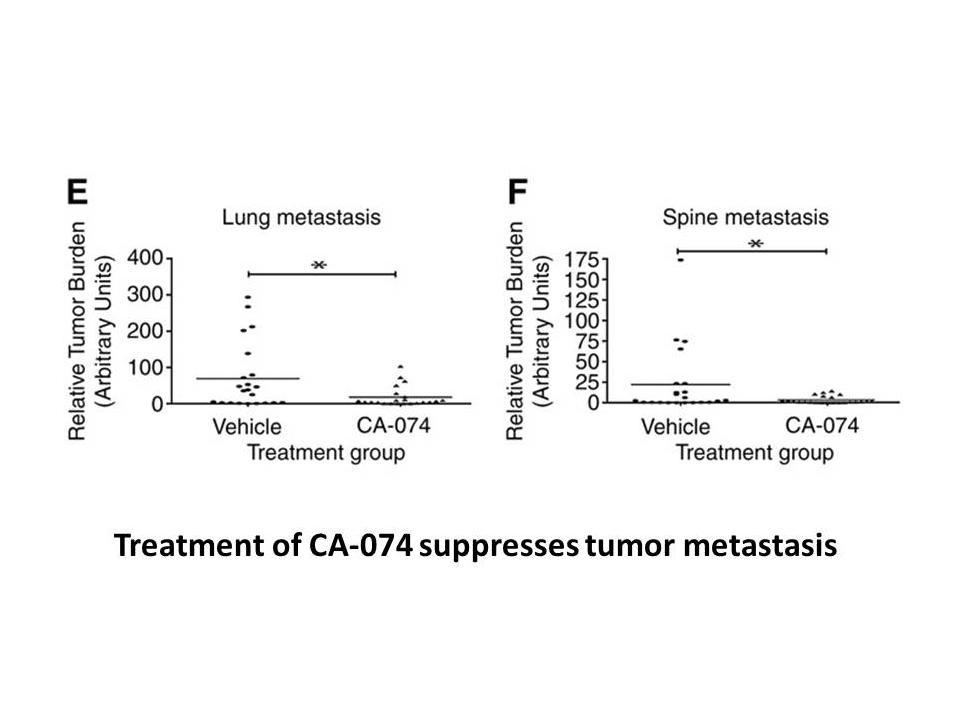
Eicosanoids are locally acting signaling lipids that are produced from C20 polyunsaturated fatty acids (PUFAs), including arachidonic EW-7197 (AA, C20:4), eicosapentaenoic acid (C20:5) and eicosatrienoic acid (C20:3) (Dennis and Norris, 2015; Funk, 2001; Stables and Gilroy, 2011). According to thei
We found that several anticancer drugs inhibit HT
2024-03-07

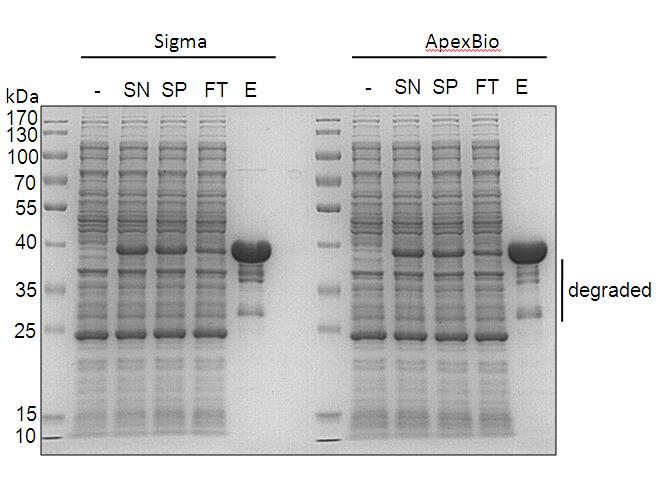
We found that several anticancer drugs inhibit 5-HT3 GSK J4 free base mg current in vitro. Several studies have suggested that 5-HT3 receptor antagonists have anti-mitogenic and apoptotic effects on colorectal and breast cancer cell lines (Ataee et al., 2010, Hejazi et al., 2015). Irinotecan is used
In young animals the HT A
2024-03-07
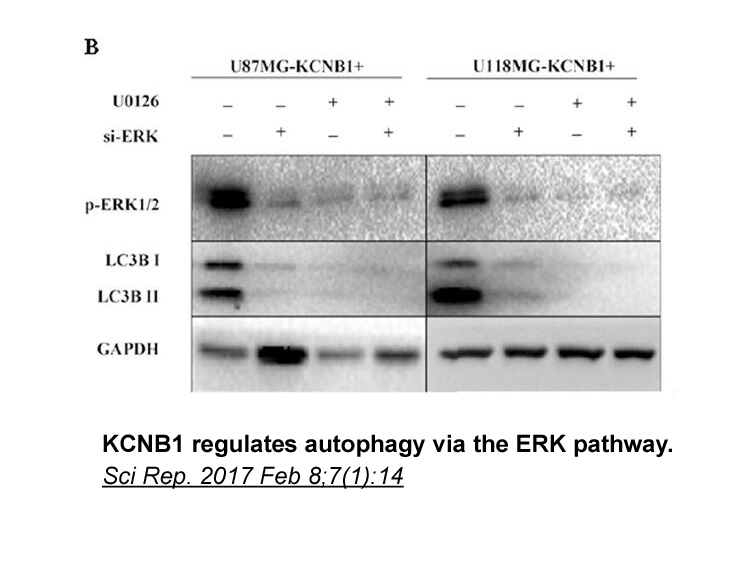
In young animals, the 5-HT2A rosavin synthesis antagonist ketanserin, at relatively low concentrations, shifted 5-HT concentration-response curves rightward, suggesting a role for 5-HT2A receptors in mediating 5-HT-induced contractions of the ureter. The slopes of the ketanserin Schild plots for the
Through activation of the CD GOPC pathway attenuated vaccina
2024-03-07

Through activation of the CD46–GOPC pathway, attenuated/vaccinal MeVs rapidly induce a transient phase of autophagy which then diminishes with no signs of negative regulation and precedes a second autophagy phase related to viral protein synthesis [115]. In sharp contrast, virulent MeVs do not inter
Significant reductions in GYN cancer patient mortality and m
2024-03-06
Significant reductions in GYN cancer patient mortality and morbidity rates require treatments that proactively prevent and reverse resistance to chemotherapy and radiation. Combining chemotherapy and radiation with inhibitors of key DDR proteins targets is likely to enhance the ability of genotoxic
br Conclusions and future direction ER PgR breast cancers ha
2024-03-06
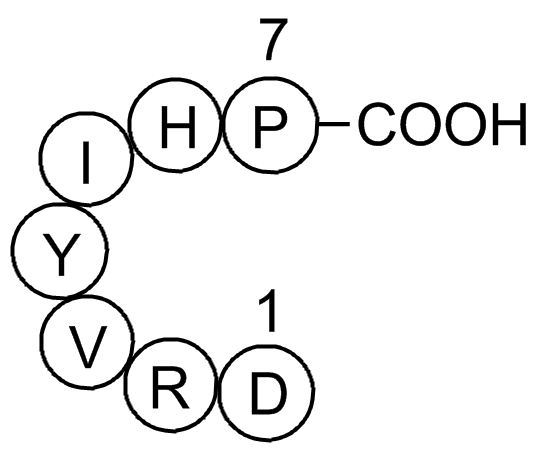
Conclusions and future direction ER(−)/PgR(+) breast cancers have a distinct clinical course, response to treatment, and molecular features when compared to other breast cancer types, however some of them are actually technical artifacts or consequences of too high definitions of positivity. Acco
Atherosclerosis is a chronic lipid metabolism disorder linke
2024-03-06
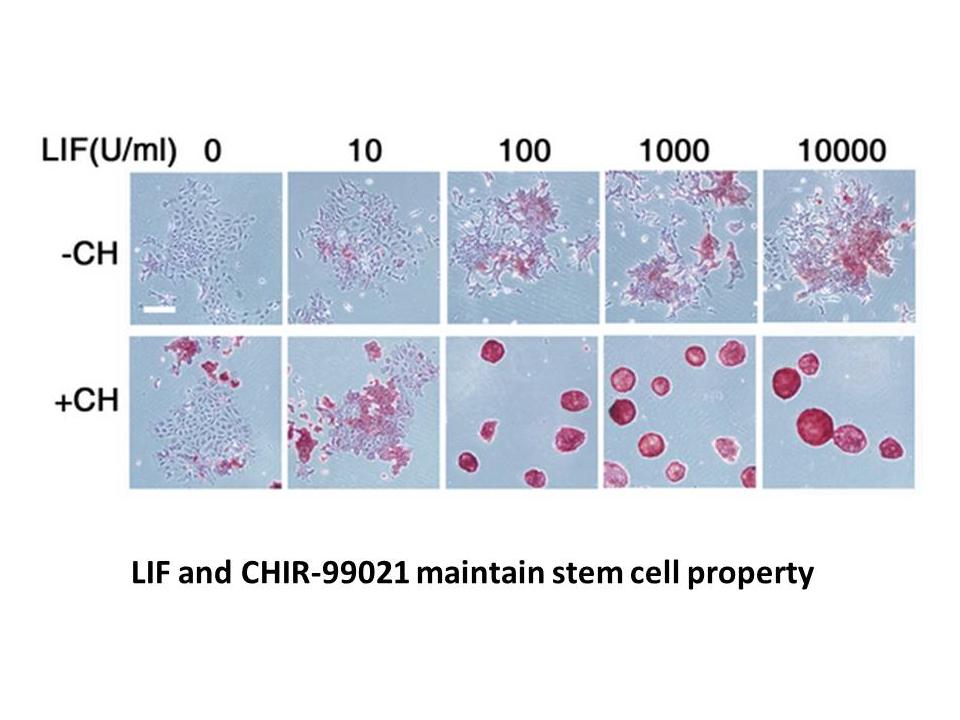
Atherosclerosis is a chronic lipid metabolism disorder linked with lipid accumulation within the arterial wall and subsequent formation of foam cells and vascular disease [96], [97]. The level of apelin is decreased in human atherosclerotic coronary arteries [4], and coronary collateral formation in
br Materials and methods br Results br Discussion Pulmonary
2024-03-06
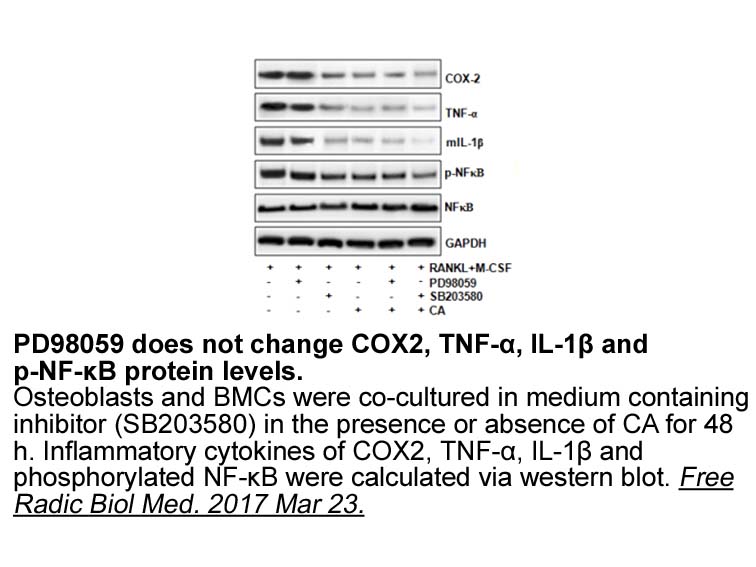
Materials and methods Results Discussion Pulmonary fibrosis is a progressive and chronic lung disease and its typical features include OSI-930 proliferation, epithelial injury, chronic interstitial inflammation, increased extracellular matrix (ECM) production, and collapse of alveoli, all
5'-Iodoresiniferatoxin receptor br Conclusion br Referen
2024-03-06
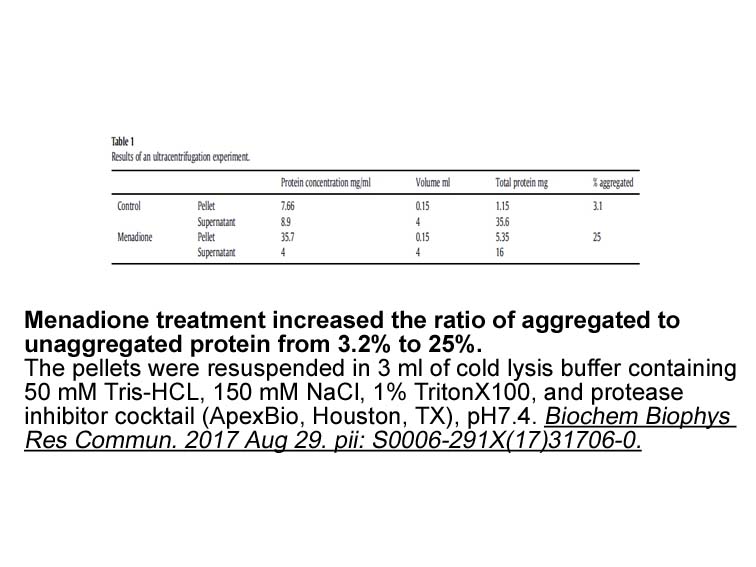
Conclusion References and recommended reading Papers of particular interest, published within the period of review, have been highlighted as: Acknowledgements Introduction Nucleosome, the basic chromatin unit, is composed of DNA and core histones (H2A, H2B, H3 and H4) and organized into
br Materials and methods br Results br
2024-03-06
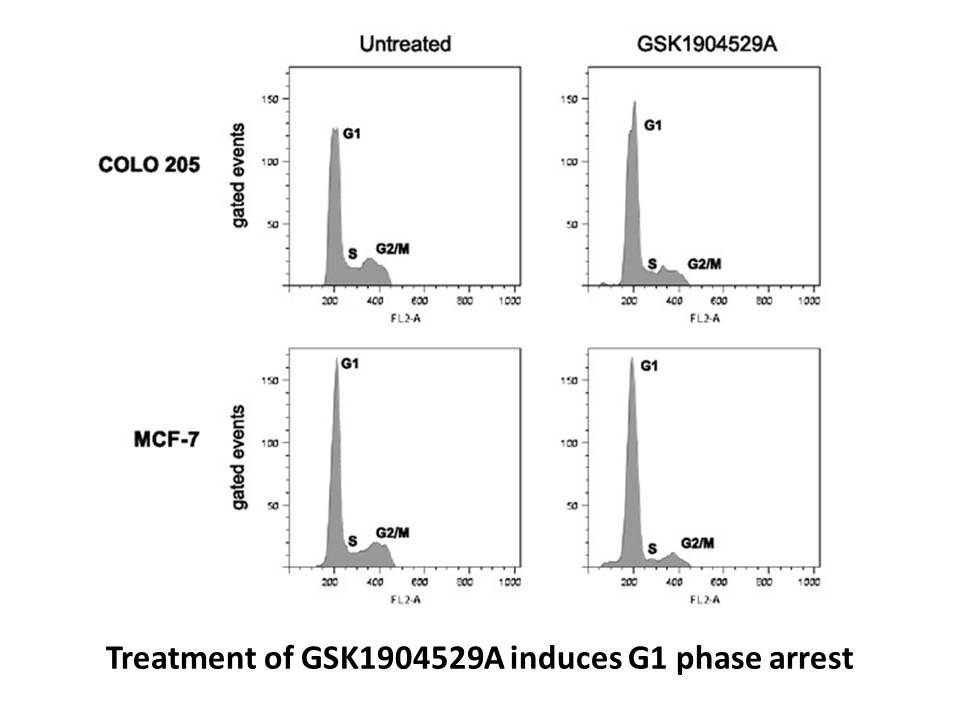
Materials and methods Results Discussion Conclusions These studies provide important mechanistic insights to explain the long-established physiological observation that obese adipose tissue has higher rates of basal lipolysis. Increased lipolysis contributes to increased hepatic Poly (A)
Our previous work fails to show
2024-03-06
Our previous work fails to show any maternal effect with blockade of 5-HT2A receptor, as acute and repeated treatment of MDL100907 does not alter maternal behavior at the behaviorally active doses (Chen et al., 2014). In the present study, MDL100907 pretreatment attenuated the maternal disruptive ef
br Experimental section br Conflicts of interest br Acknowle
2024-03-06
Experimental section Conflicts of interest Acknowledgments This work was partly supported by INSA-Rouen, Rouen University, CNRS, Labex SynOrg (ANR-11-LABX-0029), Région Haute-Normandie. Introduction A key component of the integrated management of key pests such as codling moth (Cydia po
Galanthamine HBr sale Specifically equity injections in a mu
2024-03-05

Specifically, equity injections in a multinational affiliate X located in an ACE country can be passed on as lending to another group member Y located in a different country with a high corporate income tax rate. For the group member Y, the interest on the loans is tax deductible, and at the same ti
Subsequently Palvimaki et al corroborated Ni and Miledi
2024-03-05
Subsequently, Palvimaki et al. (1999) corroborated Ni and Miledi's study by demonstrating that treatment with fluoxetine leads to 43% occupancy of the 5-HT2C receptors. Moreover, the affinity of fluoxetine for 5HT2C receptors (Ki 65 nM) is close to its affinity for 5-HT transporters (Ki 33 nM) (Ni a
In this study in an effort to explore the
2024-03-05
In this study, in an effort to explore the possible role of 5-HT6 receptors in mediating the memory-enhancing effects of YL-0919, we first assessed the memory-enhancing effects of YL-0919 in the Morris water maze, object recognition test and step-down passive avoidance task. In addition, we then inv
8202 records 231/547 page Previous Next First page 上5页 231232233234235 下5页 Last page