Archives
- 2026-07
- 2026-06
- 2026-05
- 2026-04
- 2026-03
- 2026-02
- 2026-01
- 2025-12
- 2025-11
- 2025-10
- 2025-09
- 2025-03
- 2025-02
- 2025-01
- 2024-12
- 2024-11
- 2024-10
- 2024-09
- 2024-08
- 2024-07
- 2024-06
- 2024-05
- 2024-04
- 2024-03
- 2024-02
- 2024-01
- 2023-12
- 2023-11
- 2023-10
- 2023-09
- 2023-08
- 2023-07
- 2023-06
- 2023-05
- 2023-04
- 2023-03
- 2023-02
- 2023-01
- 2022-12
- 2022-11
- 2022-10
- 2022-09
- 2022-08
- 2022-07
- 2022-06
- 2022-05
- 2022-04
- 2022-03
- 2022-02
- 2022-01
- 2021-12
- 2021-11
- 2021-10
- 2021-09
- 2021-08
- 2021-07
- 2021-06
- 2021-05
- 2021-04
- 2021-03
- 2021-02
- 2021-01
- 2020-12
- 2020-11
- 2020-10
- 2020-09
- 2020-08
- 2020-07
- 2020-06
- 2020-05
- 2020-04
- 2020-03
- 2020-02
- 2020-01
- 2019-12
- 2019-11
- 2019-10
- 2019-09
- 2019-08
- 2019-07
- 2019-06
- 2019-05
- 2019-04
- 2018-07
-
The aim of the following
2019-11-13
The aim of the following work was to untap the potential of DIS as a low-cost substrate for fungal production of lignocellulolytic enzymes via SSF. Fungal strains with the ability to transform the unpretreated DIS to a mixture of industrially relevant lignocellulases were identified. Furthermore, th
-
In this study we have developed
2019-11-13
In this study we have developed and investigated three NADPH-regenerating fusion partners with two different enzyme systems: a BVMO and an ADH. With the exception of one fusion construct (StGDH with LbADH), all fusion thapsigargin resulted in good soluble expression as well as fully functional as s
-
Cells expressing the CDK S D mutant
2019-11-13
Cells expressing the CDK5 S47D mutant exhibit impaired migration and enhanced proliferation: Finally, we wished to determine the functional significance of this phosphoevent. Multiple studies have implicated active CDK5 in promotion of cell migration [9,16,[21], [22], [23], [24]] and in one study th
-
br Experimental Procedures br Author Contributions br Acknow
2019-11-13
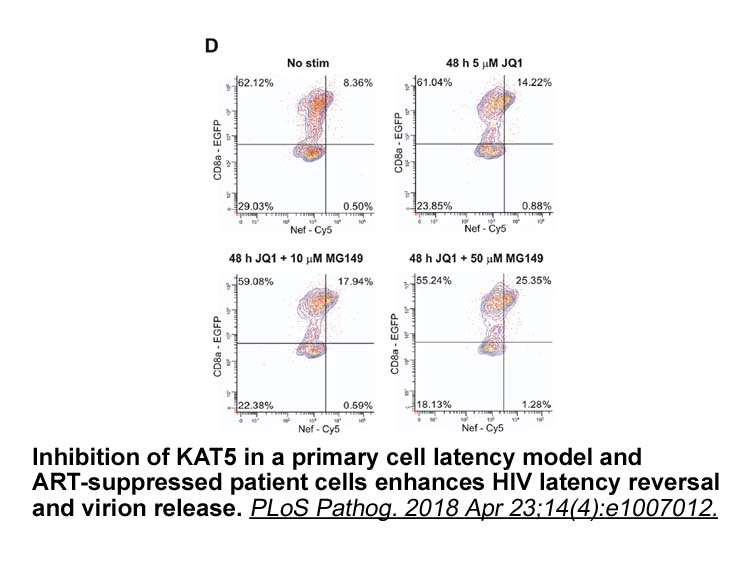
Experimental Procedures Author Contributions Acknowledgments We acknowledge Géraldine Le Goff and Mathieu Canales for blood sampling, Cécile Gameiro and Jean-Pierre Aubry for flow cytometry technical assistance, Giuseppe Pantaleo for support, and Britta Engelhardt, Gisella Puga-Young, Nicol
-
cell cycle activation Recently it has been shown that among
2019-11-13
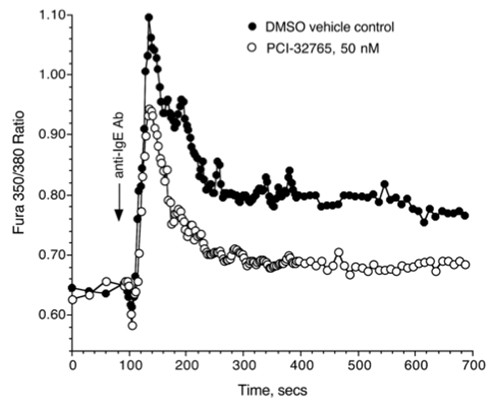
Recently, it has been shown that among the ELR (+) chemokines mentioned above, particularly IL-8 induces neutrophil migration via CXCR-1 chemokine receptor. For example, Godaly et al. [18] reported the potent role of CXCR-1 chemokine receptor in the process of neutrophil migration across epithelial
-
hordenine dissolve solubility The pharmacokinetics propertie
2019-11-13
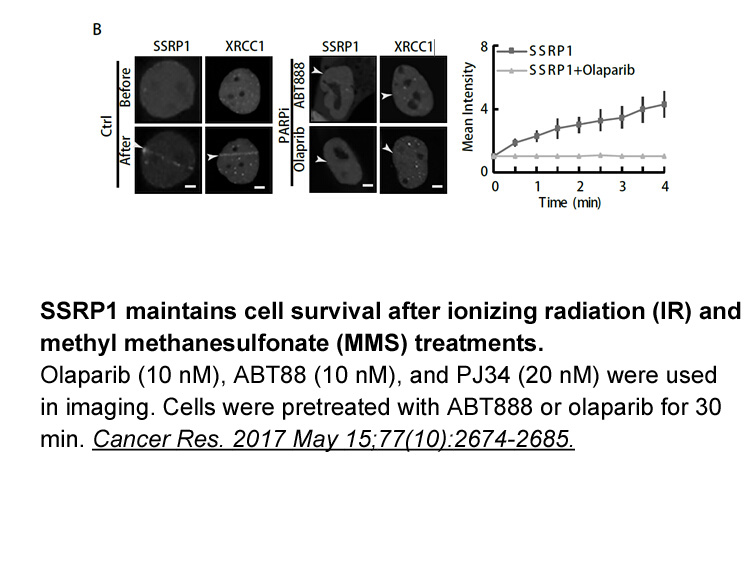
The pharmacokinetics properties of compound were evaluated in male Sprague Dawley rats following IV (0.7mg/kg) and oral (2.0mg/kg) dosing. The total body clearance and the terminal half-life were 0.73 L/h/kg and 5.1h, respectively. After oral administration the compound showed good bioavailability (
-
br Results br Discussion Fetal development
2019-11-13

Results Discussion Fetal development occurs under conditions of low oxygen tension and steady maternal glucose such that physiologic systems including the pancreas are functionally poised in the prenatal state. Postnatally, oxidative metabolism becomes dominant and intermittent feeding exposes
-
Chaetocin receptor br Chemistry The test compounds
2019-11-13
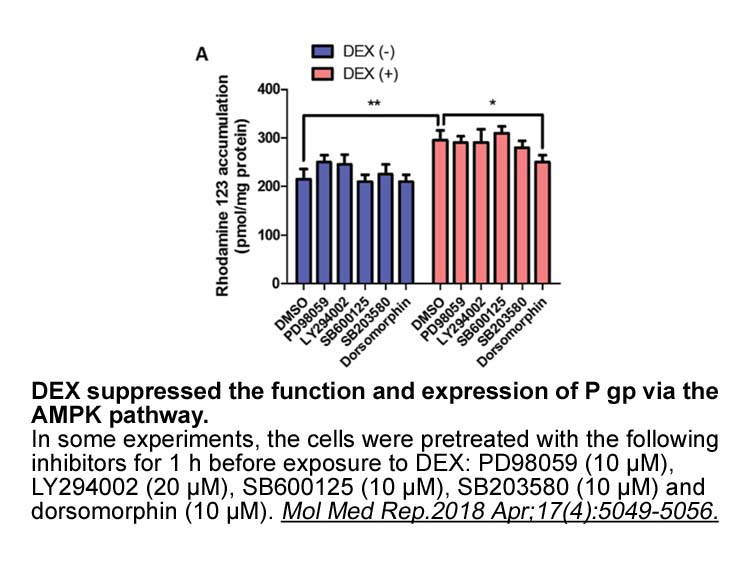
Chemistry The test compounds listed in Table 1, Table 2, Table 3, Table 4, Table 5, were synthesized as outlined in Scheme 1, Scheme 2, Scheme 3, Scheme 4, Scheme 5. Synthesis of 2–5 is described in Scheme 1. N-Sulfonylation of the aniline 26 with benzenesulfonyl chloride afforded the sulfonamide
-
As small non coding RNAs microRNAs miRNAs can control
2019-11-13
As small non-coding RNAs, microRNAs (miRNAs) can control gene expression at the post-transcriptional level by binding to the 3′-untranslated regions (3′-UTR) of messenger RNAs (mRNA) [15], [16]. miRNAs have been anticipated to regulate virtually all cellular mechanisms [17] and to play an important
-
br Results br Discussion Adaptive drug
2019-11-12
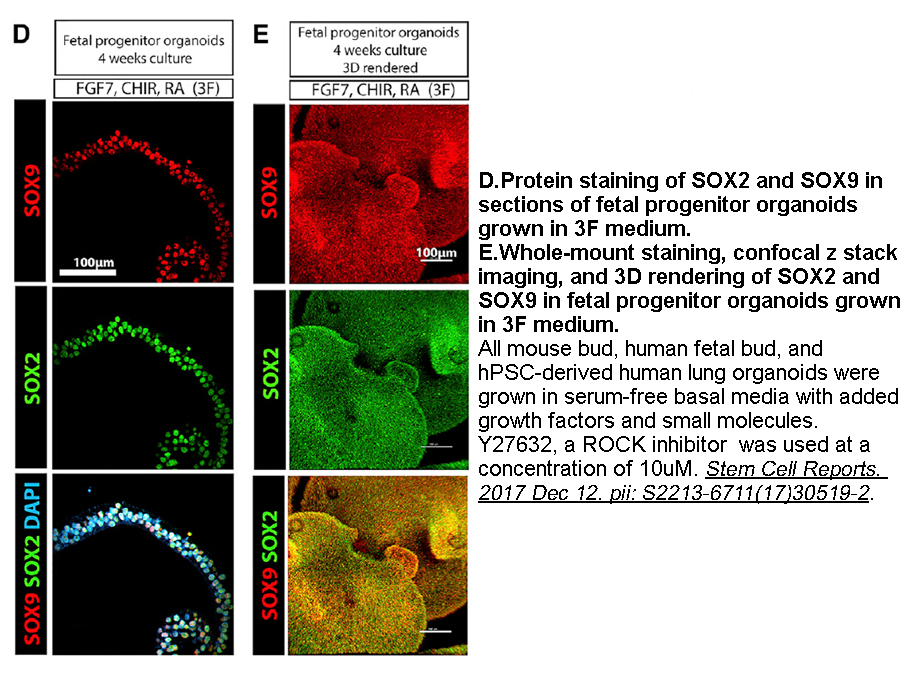
Results Discussion Adaptive drug resistance is a major challenge to the clinical success of cancer therapies. Incomplete inhibition of oncogenic signaling allows survival of “drug-tolerant” tumor cells, which persist in that state for variable periods before acquiring additional genetic mutati
-
CYP A and CYP D
2019-11-12
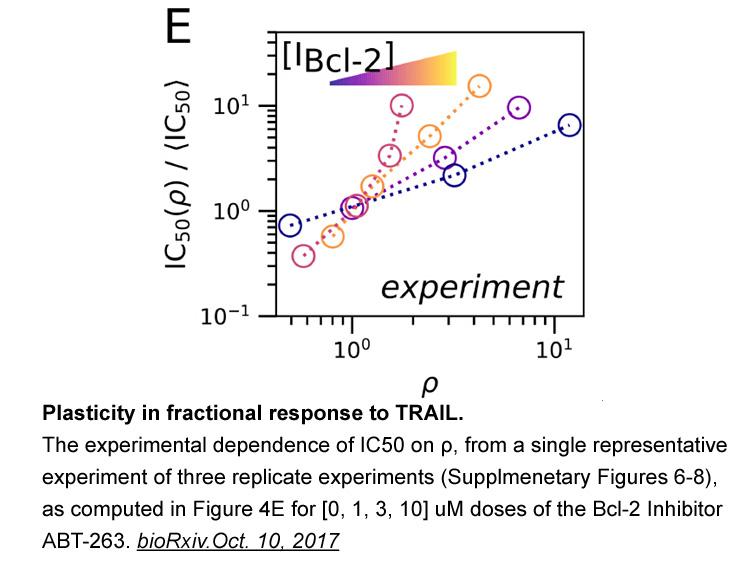
CYP3A4/5 and CYP2D6 are among the main drug-metabolizing enzymes in humans that are responsible for the metabolism of more than 50% of marketed drugs [19], [21]. Drugs metabolized by CYPs are prone to drug–drug interactions, thereby modifying their response [18], [32]. Metabolic inhibition is also i
-
Advances in the total chemical synthesis of
2019-11-12
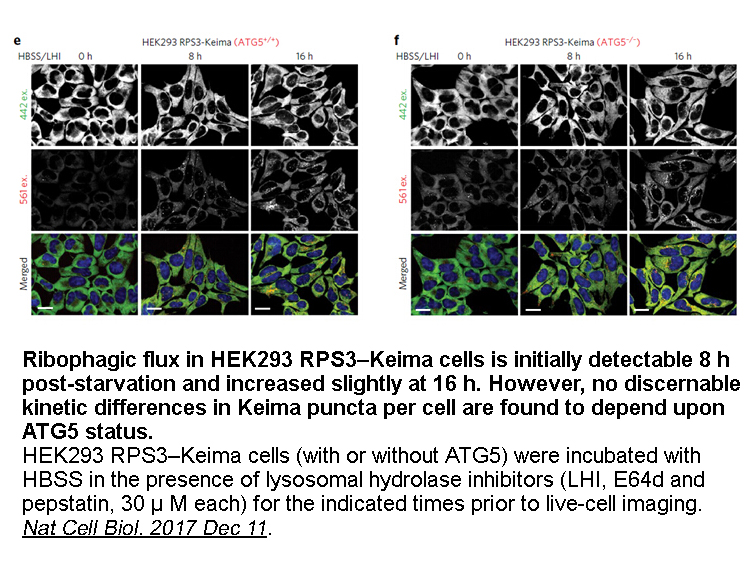
Advances in the total chemical synthesis of ubiquitin have enabled the efficient synthesis of new and improved ubiquitin-based reagents. Using an optimized linear synthesis, ubiquitin can now be easily obtained in high yield and purity [35]. Using this synthetic methodology, ubiquitin can be functio
-
bromfenac Similarly synthetic analogs of Alogliptin by repla
2019-11-12
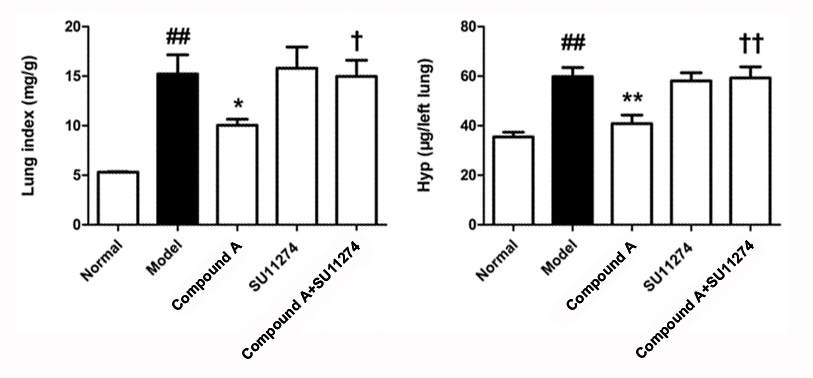
Similarly synthetic analogs of Alogliptin by replacing the cyanobenzyl group with the butynyl group have been synthesized and tested as selective DPP-4 inhibitors [7], [8]. Additionally, quinazolines [9], [10], pyridopyrimidinediones [11], pyrazolopyrimidinones [12] and pyrimidines [13] as DPP-IV in
-
Our study showed that parental morphine exposure in the
2019-11-12
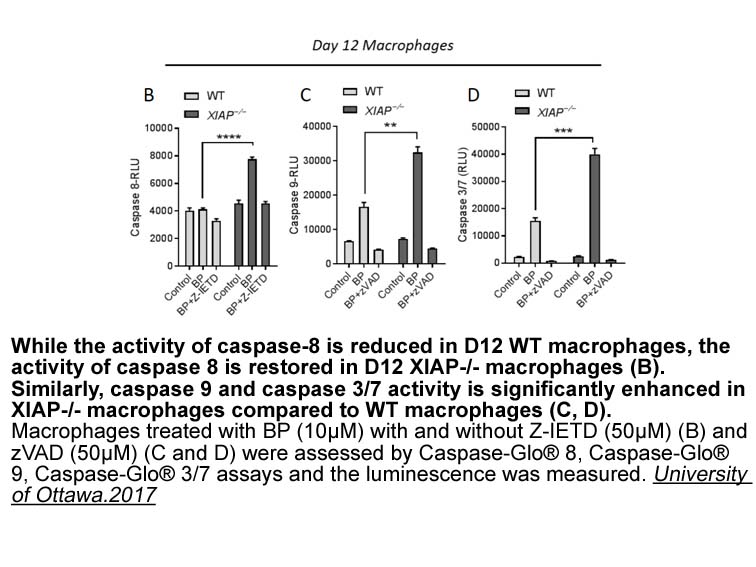
Our study showed that parental morphine exposure in the adulthood is associated with an increased tendency toward morphine consumption in F1 but not F2 male offspring. Thus, it seems that trans-generational effects of parental morphine consumption disappear in the second generation. In support of ou
-
Enterobacteriaceae are gram negative rods that include the E
2019-11-12
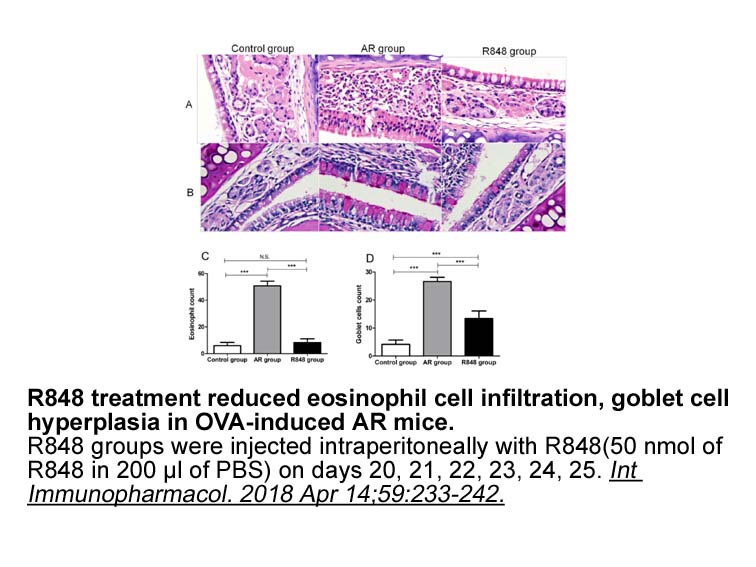
Enterobacteriaceae are gram negative rods that include the Escherichia coli and Shigella. There are several DNA ligases posted on the GenBank belong mostly to Enterobacteria phages, such as the T4 bacteriophage [30]. There are several protein markers used to differentiate between T4 phage superfamil
15978 records 956/1066 page Previous Next First page 上5页 956957958959960 下5页 Last page